

What Morocco Can Learn from Japan’s Experience
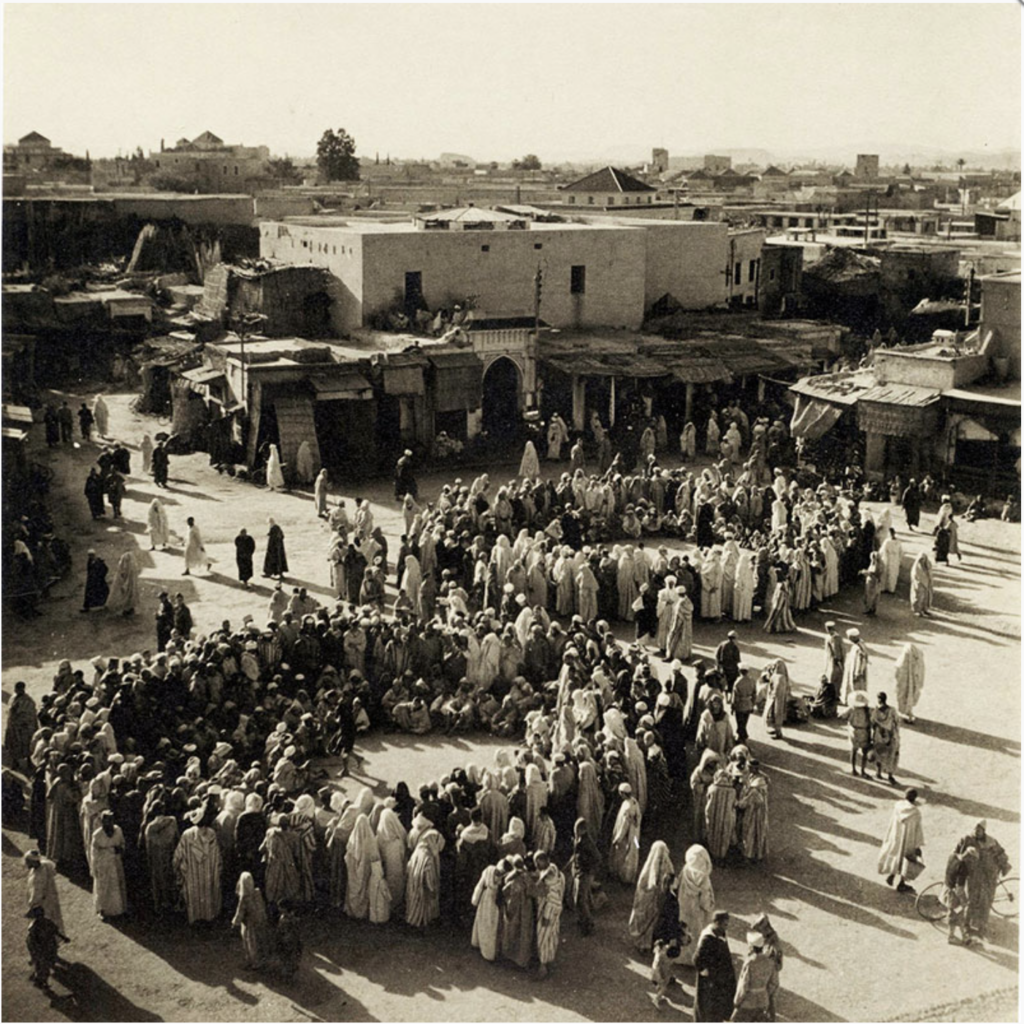
Just as Japan harnessed the power of children’s literature to rebuild its identity, Morocco can use storytelling to foster cultural pride, resilience, and creativity. Both nations share rich storytelling traditions. In Japan, folktales like Momotaro found new life in children’s books. In Morocco, hajaya (traditional stories) and legends like Aïcha Kandicha or Tislit Nwanzar could be adapted into modern narratives that engage young readers.
Education as a Path to Progress in Morocco
Japan’s focus on education post-1945 was a cornerstone of its recovery. Morocco, too, has made strides in improving education, yet literacy rates, particularly in rural areas, remain a challenge. Agafay Books, a new children’s publishing initiative, has the opportunity to make an impact by creating accessible, beautifully illustrated books in Arabic, English, and French. These books can bridge linguistic and cultural divides, much like Japanese literature embraced both traditional and global influences.
Addressing Modern Challenges Through Stories
Japan’s post-war recovery wasn’t just about addressing the past; it also tackled modern issues like urbanization and environmental degradation. Hayao Miyazaki’s works, which explore themes of ecological harmony and personal growth, serve as a model for Morocco. Imagine children’s stories set against the backdrop of the Atlas Mountains or the Agafay Desert, teaching young readers about sustainability and the importance of preserving their natural and cultural heritage.
The Role of Agafay Books in Morocco’s Literary Renaissance
Just as publishers like Fukuinkan Shoten and Kaisei-sha revolutionized children’s literature in Japan, Agafay Books can spearhead a similar movement in Morocco. By blending traditional Moroccan tales with modern themes, the publishing house can create books that resonate with today’s youth while preserving Morocco’s storytelling heritage.
Stories like a reimagined Aïcha Kandicha emphasizing bravery and intelligence, or tales inspired by Morocco’s diverse landscapes, could serve as tools to unite the country’s cultural identities and inspire the next generation.
Why This Matters
Both Japan and Morocco demonstrate the power of storytelling to shape national identity and foster resilience. For Japan, children’s books were a means of recovering from the trauma of war and building a peaceful future. For Morocco, they can be a tool to nurture literacy, preserve cultural heritage, and inspire creativity in a generation ready to shape the country’s future.
By drawing on the lessons from Japan’s literary evolution, Agafay Books has the opportunity to lead a cultural renaissance. The right stories; crafted with care, steeped in Moroccan culture, and attuned to the challenges of the modern world; could illuminate a brighter path forward for Morocco’s youth.
Children’s books helped Japan rise from the ashes of war, and they remind us all of the resilience and imagination we carry within us. As we turn their pages, we are reminded that even in the darkest times, the right story can illuminate the path forward.
At Agafay Books, we believe that stories have the power to inspire, educate, and unite. As Japan demonstrated through its post-war recovery, children’s books can shape the future by nurturing creativity, resilience, and cultural pride. Now is the time for Morocco to write its own literary renaissance. Join us on this journey; explore our books, share your stories, and help us inspire the next generation of Moroccan readers.