

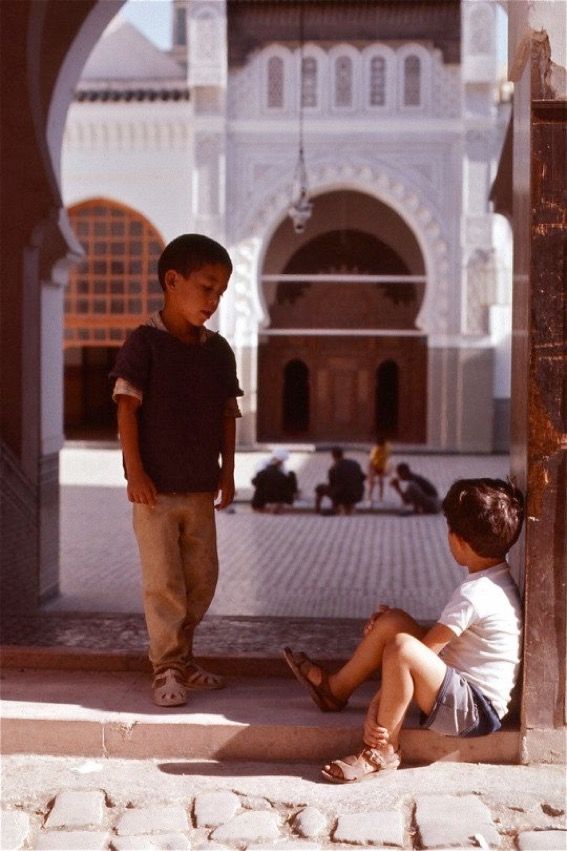
At Agafay Books, we’ve observed a concerning trend among Moroccan children; they simply aren’t reading as much as they could be. While many factors contribute to this phenomenon, one stands out prominently: the lack of books that truly speak to our children’s experiences, heritage, and cultural identity.
The Missing Mirror: Where Are the Moroccan Stories?
Walk into many bookstores across Morocco, and you’ll find shelves dominated by Western stories and characters. While these books certainly have value, they often present worlds, values, and experiences that feel distant and disconnected from our children’s daily lives. Our young readers are searching for mirrors; stories that reflect their own experiences; but instead find mostly windows into other cultures.
When children don’t see themselves represented in the stories they read, reading becomes an exercise in navigating unfamiliar terrain rather than a joyful journey of self-recognition and discovery. The message they receive, subtly but powerfully, is that their stories aren’t worth telling.
Cultural Identity Through Literature
Children’s literature plays a crucial role in identity formation. When young Moroccans read stories featuring characters who look like them, speak their languages, celebrate their holidays, and navigate familiar landscapes; from the majestic Atlas Mountains to bustling medinas; they develop a stronger sense of who they are and where they belong.
Books that authentically represent Moroccan culture help children:
- Understand and take pride in their heritage
- Connect with traditions that have been passed down through generations
- Develop a sense of belonging within their community
- Build confidence in their cultural identity
The Confusion of Cultural Disconnect
The predominance of foreign narratives in our children’s literary landscape creates a form of cultural confusion. Our children are caught between worlds; the one they experience daily and the one presented to them in books. This disconnect can lead to:
- Difficulty relating to reading material, resulting in reduced interest in reading
- A perception that reading is an “imported” activity not relevant to their lives
- Challenges in developing a strong sense of cultural identity
- Reduced self-confidence and cultural pride
Bridging the Gap: The Agafay Books Mission
At Agafay Books, we’re committed to changing this narrative. We believe that Moroccan children deserve stories that celebrate the rich tapestry of our culture; stories that feature the vibrant colors of our traditional attire, the aromatic spices of our cuisine, the wisdom of our folktales, and the diversity of our landscapes.
By publishing and promoting books with authentic Moroccan representation, we aim to:
- Ignite a passion for reading by making literature personally relevant
- Preserve and celebrate our cultural heritage
- Empower children to embrace and take pride in their identity
- Create a new generation of confident readers and storytellers
The Path Forward
The solution isn’t to remove international books from our shelves but to balance them with stories that reflect our own cultural narrative. When children can see themselves in the stories they read while also exploring other cultures, they develop both a strong sense of identity and an appreciation for global diversity.
Parents, educators, publishers, and booksellers all have roles to play in this cultural literary revolution. By demanding, creating, and sharing stories that authentically represent Moroccan experiences, we can foster a love of reading that is deeply rooted in cultural pride and self-recognition.
At Agafay Books, we’re just getting started on this journey, and we invite you to join us in ensuring that Moroccan children can find themselves in the pages of the books they read. Because when children see themselves in stories, they’re more likely to become part of the story of reading; a story that will shape their future and the future of our nation.
What Stories Do We Need?
What Moroccan stories, characters, or traditions do you think are most missing from our children’s bookshelves today? How can we work together to bring these important cultural narratives to life for the next generation of readers?