

Children’s books hold a unique and irreplaceable role in our society, influencing not only the lives of children but also shaping the future of entire communities. These seemingly simple stories are packed with lessons, values, and creative narratives that help children understand the world around them. Beyond entertainment, children’s books foster cognitive and emotional development, cultural understanding, and lifelong learning habits, which can have a profound positive impact on society as a whole.
The Role of Children’s Books in Society
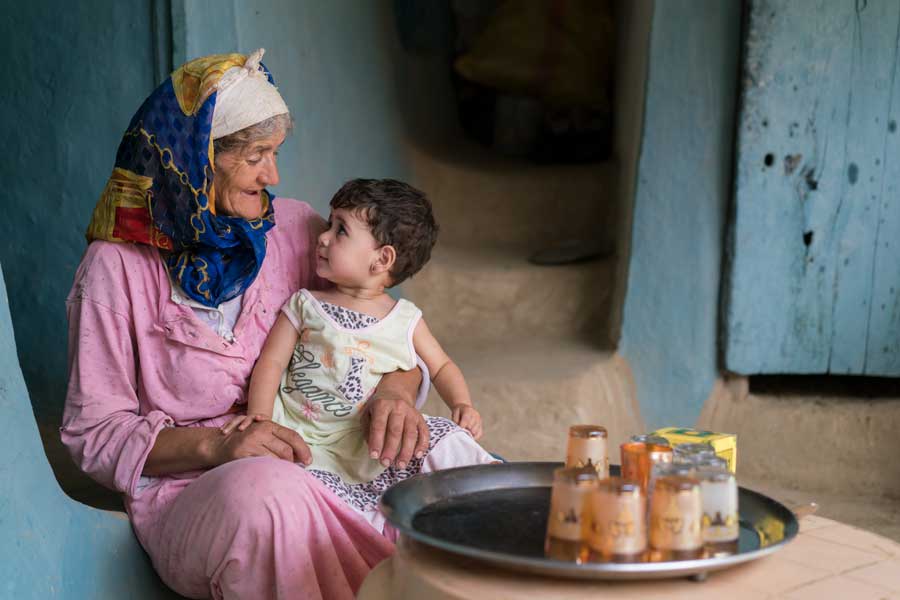
1. Fostering Early Literacy and Language Skills: In the past, both Berber and Arab families in Morocco played a crucial role in fostering early literacy and language skills through the rich tradition of oral storytelling. Whether within Berber households or Arab communities, storytelling was often rhythmic and poetic, allowing children to absorb language in a natural, engaging way. Grandmothers, in particular, would gather the children around, telling traditional folktales filled with moral lessons, cultural values, and imaginative narratives. These stories used repetition and lyrical patterns that made it easier for children to remember, building their vocabulary, understanding of sentence structures, and communication skills.
Today, while oral storytelling is still cherished, much of this cultural tradition can now be preserved in children’s books. These books ensure that the essence of Berber and Arab oral traditions is passed down through generations, adapting to modern educational tools. The rhythmic and poetic nature of the stories lives on in written form, complemented by illustrations that help children connect words to images.
Parents and caregivers can read these stories aloud to children, much like grandmothers once did, or older siblings can take on the role of storyteller. Alternatively, children can explore these books independently, discovering the drawings and letting their imagination travel as they learn new words and concepts. This transition from oral to written storytelling keeps the richness of Moroccan traditions alive while supporting early literacy in today’s world.
2. Enhancing Bilingual Skills: Bilingual children’s books are a powerful tool in helping children improve and master a foreign language. By reading stories in two languages, children naturally acquire vocabulary, sentence structure, and grammar in both their native and the second language. These books expose young readers to new sounds and word patterns while still connecting them to familiar stories, making the learning process more enjoyable and accessible.
At Agafay Books, we embrace this approach by publishing dual-language books, typically in Arabic and English, to help children become fluent in both languages. This not only improves language skills but also helps foster cross-cultural understanding and communication. Early exposure to multiple languages has been proven to enhance cognitive abilities, making children more adept at problem-solving and critical thinking. Our goal is to help children gain confidence in their language abilities while deepening their connection to stories rooted in Moroccan traditions.
3. Encouraging Critical Thinking and Imagination: Books transport children to different worlds, encouraging them to think critically, solve problems, and use their imagination. They introduce children to new ideas, cultures, and perspectives, helping them build a broader understanding of the world. Whether it’s a story about a faraway land or a moral lesson in a familiar setting, books stimulate curiosity and creativity.
4. Building Emotional Intelligence: Children’s books help kids navigate complex emotions and social situations. Through stories, they can explore feelings such as empathy, fear, sadness, and joy. Books also serve as safe spaces to explore difficult topics like loss, fear, or cultural differences, giving children the tools to understand and manage their emotions in real-life situations.
5. Preserving Cultural Identity and Passing on Values: Books play a key role in preserving cultural heritage. By reading stories that reflect their own culture, children feel a sense of belonging and pride in their identity. At the same time, exposure to stories from different cultures promotes tolerance and respect for diversity, helping children grow into open-minded and socially responsible adults.
We Invite You to Share Your Grandmothers’ Stories!
At Agafay Books, we understand the profound impact that traditional storytelling has on shaping values, culture, and identity. We invite you to share the cherished stories passed down by your grandmothers, whether they are from Berber or Arab traditions. These oral tales are a treasure, and by sharing them, we can preserve this rich heritage for future generations. Our aim is to publish a collection of these stories to ensure that they continue to inspire Moroccan children and families for years to come. Together, we can honor the wisdom of our ancestors while connecting with today’s children through bilingual books that reflect our culture and values.