

One of the clearest examples of the power of children’s literature can be found in the Nordic countries, which are known for placing a high value on early childhood education, reading, and development. Countries like Sweden, Finland, and Denmark have strong traditions of children’s book publishing, and their societies reflect the positive impact this has had.
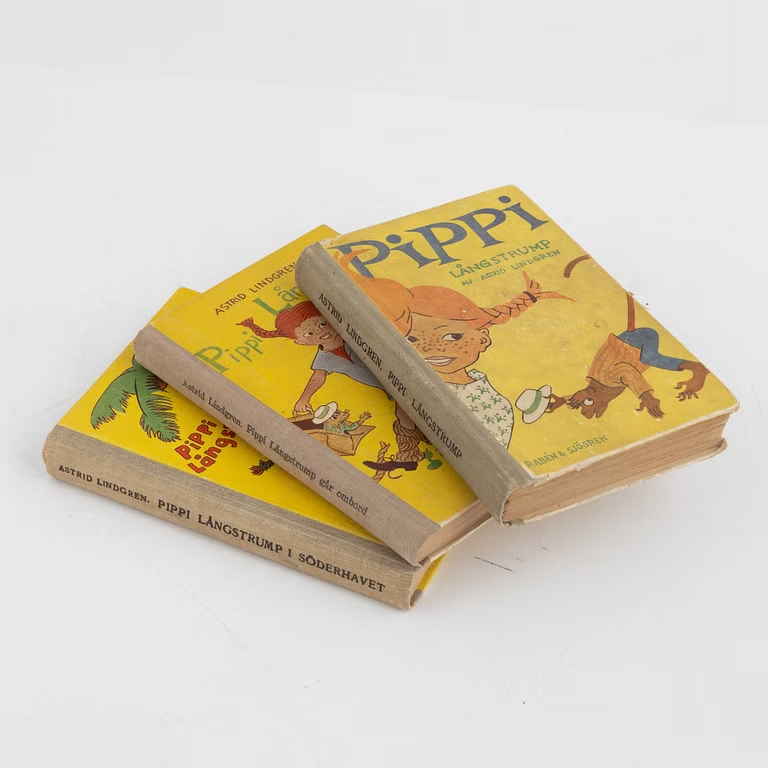
Sweden is home to some of the most well-known children’s publishing houses, such as Rabén & Sjögren, founded in 1942. This publishing house has been instrumental in nurturing Sweden’s rich tradition of children’s literature. Perhaps the most famous example is Astrid Lindgren, who created beloved characters like Pippi Longstocking, first published in 1945. Pippi became an icon for children’s independence, creativity, and confidence, reshaping the way stories for children were written. Lindgren’s work is a reflection of Sweden’s focus on equality, respect, and empowerment, qualities that have become foundational in Swedish society.
Finland also has a long history of publishing children’s books through houses like Otava Publishing Company, which was founded in 1890. One of Finland’s most internationally recognized children’s authors is Tove Jansson, creator of the Moomins, first published in 1945. The Moomins, with their gentle and open-minded approach to life, are symbols of compassion, acceptance, and the importance of family and community. Jansson’s work reflects Finland’s values of inclusion, peace, and respect for nature, which are core to the country’s identity.
Denmark also has a rich history of children’s book publishing, with renowned publishers like Gyldendal and Carlsen. Gyldendal, Denmark’s oldest publishing house, has published works from iconic authors like Hans Christian Andersen, whose fairy tales continue to inspire children worldwide. Carlsen, a part of Egmont Publishing, has been dedicated to children’s literature since 1942, creating books that foster creativity and social responsibility in young readers. These publishers, much like those in Sweden and Finland, have contributed to Denmark’s strong tradition of early childhood literacy and cultural education.
The success of children’s books in these Nordic countries is not limited to the entertainment value they offer. These books play a central role in how Nordic societies prioritize early childhood development, equality, and social responsibility. In fact, children’s books are often integrated into early education programs, where a significant emphasis is placed on reading from a young age. Nordic governments have consistently supported literacy initiatives, knowing that investing in children’s literature directly contributes to the well-being and intellectual growth of future generations.
How Children’s Books Shape Societies Like the Nordics
The societal impact of children’s literature in these countries can be seen in various ways:
High literacy rates:
Nordic countries consistently rank among the highest in global literacy. This is due in part to the early introduction of books to children and the emphasis on reading both in schools and at home.
Social equality and emotional intelligence:
Nordic children’s books often focus on themes like empathy, fairness, and cooperation. This focus is reflected in the broader societal values of inclusivity and equality that define these nations. Children grow up reading stories that teach them to care for others and understand different perspectives, fostering a culture of social responsibility.
Sustainability and nature: Books like the Moomins incorporate themes of environmental care and the beauty of nature, which resonate deeply with Nordic values of sustainability. This awareness is passed down from childhood, contributing to the strong environmental consciousness in these societies.
The Positive Impact of Children’s Books
Children’s books help mold young minds, allowing them to navigate life with confidence, creativity, and a sense of empathy. As seen in the Nordic example, countries that prioritize children’s literature and early literacy reap long-term societal benefits, including higher literacy rates, stronger emotional intelligence, and a more inclusive, sustainable society.
As more countries recognize the profound influence that children’s books can have, the hope is that this rich tradition will continue to grow, nurturing future generations of compassionate, curious, and empowered individuals across the globe.
We’d like to hear your opinion:
What aspects of this Nordic literary heritage do you think could be adapted and implemented in our culture and educational systems to support children’s development?