

After the devastation of World War II, Japan faced monumental challenges; economic collapse, social upheaval, and the need to rebuild its national identity. Amid these struggles, the country found a surprising yet powerful tool for renewal: children’s books. These stories didn’t just entertain; they helped shape the minds of a new generation, planting seeds of hope, resilience, and a brighter future. Today, Japan’s journey offers valuable lessons for other nations, such as Morocco, as they work to harness the transformative power of storytelling.
Before and After: A Tale of Two Eras
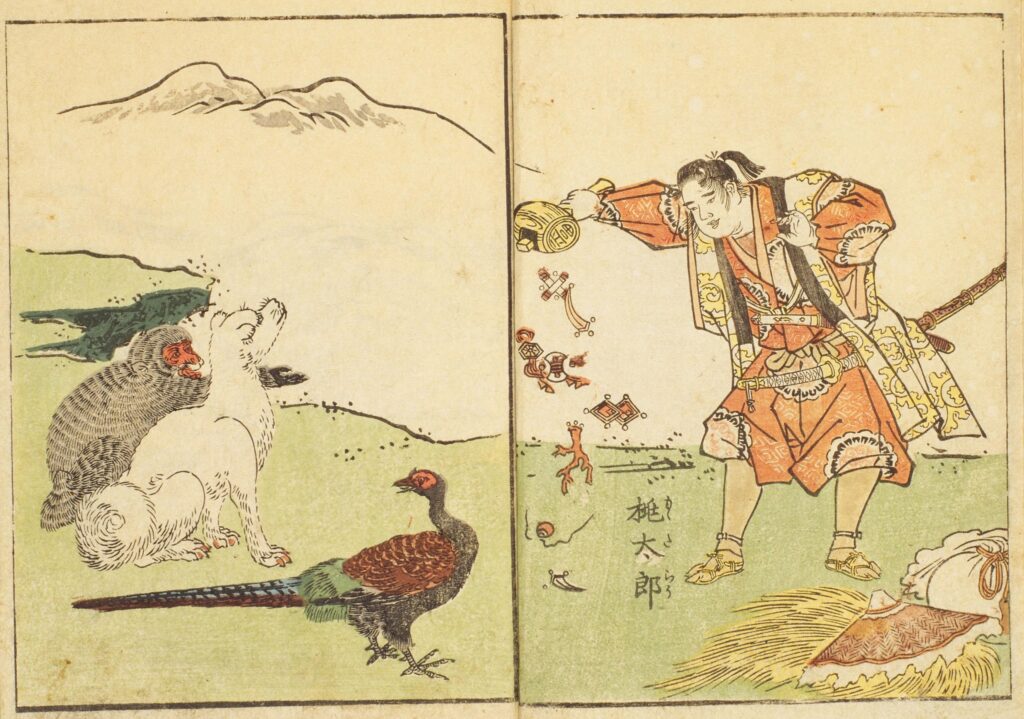
Before World War II, children’s books in Japan were sparse and often didactic, serving primarily as tools for instilling nationalistic values. Stories like those in the Shōnen Kurabu (“Boys’ Club”) magazine emphasized loyalty to the emperor, discipline, and militarism. While traditional folktales like Momotaro or The Tale of the Bamboo Cutter existed, these were largely oral traditions passed down through families rather than formalized children’s literature.
After the war, Japan’s approach shifted dramatically. With the collapse of militaristic ideologies, children’s literature became a means of instilling peace, creativity, and global awareness. Authors began crafting stories that nurtured imagination and empathy, helping children navigate the emotional scars of war while fostering a sense of hope for the future.
Why Education Was Central to Rebuilding Japan
In the years following Japan’s surrender in 1945, the Allied occupation introduced sweeping reforms to democratize the country. Education became a key focus, shifting away from pre-war nationalism and militarism to emphasize peace, critical thinking, and equality. Children’s literature became an essential part of this transformation, offering young readers lessons in compassion, cooperation, and resilience.
Storytelling has always been a vital part of Japanese culture, but after the war, it gained new significance. Books designed for children carried messages of hope and unity, helping young minds cope with loss and envision a better future.
Stories That Sparked Hope and Resilience
The post-war period saw the rise of authors and illustrators dedicated to creating literature that resonated with children’s experiences. Figures like Kenji Miyazawa and Mitsumasa Anno crafted tales that blended themes of self-discovery, kindness, and the healing power of nature.
Miyazawa’s “Night on the Galactic Railroad,” for instance, became a poignant exploration of loss and empathy. Anno’s whimsical picture books, on the other hand, celebrated curiosity and cultural diversity. These stories were more than entertainment; they offered young readers a way to process their emotions and imagine a brighter world.
Illustrations played a crucial role as well. Japanese artists combined traditional techniques with modern styles, creating visually striking books that captivated children’s imaginations. These images often served as beacons of light in a world still grappling with darkness.
Promoting Peace Through Literature
The theme of peace was central to much of Japan’s children’s literature in the post-war era. Having experienced the horrors of atomic bombings in Hiroshima and Nagasaki, Japan sought to ensure future generations grew up committed to peace and understanding.
One of the most iconic examples is Sadako and the Thousand Paper Cranes. This true story of Sadako Sasaki, a young girl affected by radiation sickness, became a global symbol of hope and resilience. Her quest to fold one thousand origami cranes as a wish for peace continues to inspire people around the world.
In addition to homegrown stories, translated works from other cultures became widely available in Japan. Books like The Little Prince by Antoine de Saint-Exupéry introduced children to universal themes of love, loss, and friendship, fostering a spirit of internationalism.
The Modern Perspective: Miyazaki’s Vision
No discussion of Japanese storytelling is complete without mentioning Hayao Miyazaki, the legendary animator and filmmaker whose works have become deeply intertwined with modern Japanese culture. Films like Spirited Away (Sen to Chihiro no Kamikakushi) take the principles of post-war children’s literature: peace, resilience, and moral growth, and weave them into cinematic masterpieces.
Spirited Away explores themes of consumerism, environmental degradation, and identity, subtly critiquing modern excess while offering a vision of harmony with nature. The protagonist, Chihiro, embarks on a journey of self-discovery and resilience, echoing the moral lessons found in post-war children’s books. Miyazaki’s works are a testament to how storytelling evolves while maintaining its core purpose: to educate and inspire.