

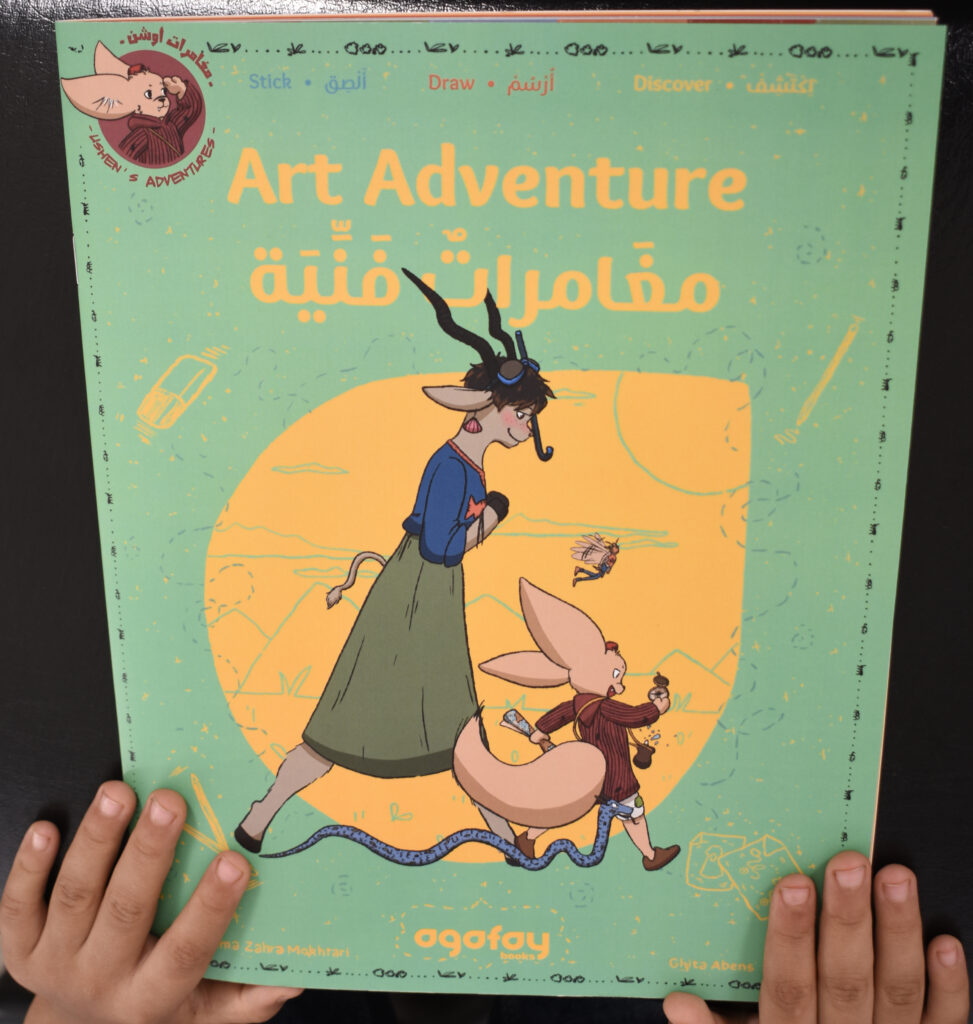
In an age dominated by digital screens and instant entertainment, it’s easy to overlook the timeless charm and value of activity books for children. However, these seemingly simple collections of puzzles, games, coloring pages, and educational challenges offer far more than just a way to pass the time. Activity books are powerful tools that support a child’s development across a range of essential skills; all while keeping them engaged and entertained.
What Are Activity Books?
Activity books are printed materials designed to stimulate a child’s mind through interactive tasks. They may include:
- Coloring and drawing pages
- Dot-to-dot puzzles
- Word searches and crosswords
- Simple math problems
- Mazes and pattern recognition
- Crafts and cut-out projects
Whether tailored for toddlers or older kids, these books are typically age-appropriate and theme-based to keep children interested while introducing them to new ideas.
Why Are Activity Books Important?
1. Support Cognitive Development
Activities like puzzles, matching games, and logic challenges help develop a child’s problem-solving skills. They encourage children to think critically, analyze options, and find solutions independently; an important foundation for academic and everyday decision-making.
2. Build Fine Motor Skills
Tasks such as coloring within the lines, cutting out shapes, or tracing letters help refine fine motor skills. These small hand movements are critical for writing, tying shoelaces, using utensils, and other daily tasks.
3. Enhance Concentration and Patience
In a fast-paced world, attention spans are shrinking. Activity books provide a slow, focused alternative to screens. Completing a maze or finishing a coloring page requires concentration and patience, skills that are essential for classroom learning and long-term academic success.
4. Promote Language and Math Skills
Many activity books incorporate word games, vocabulary building, and basic arithmetic. These introduce children to numbers and language in a fun and low-pressure way, reinforcing school lessons through practice.
5. Encourage Creativity
From imaginative drawing prompts to themed sticker activities, these books nurture creative expression. Unlike structured digital games, activity books give children the freedom to color a sky green or imagine a new animal. Creativity is not only fun; it’s a vital component of innovation and problem-solving.
6. Provide a Screen-Free Option
With rising concerns over screen time, activity books offer a healthy and stimulating alternative. They are portable, require no batteries, and can be enjoyed anywhere; perfect for car rides, quiet time at home, or waiting at appointments.
7. Strengthen Parent-Child Bonding
Completing an activity book together fosters meaningful interaction. Parents and caregivers can use the time to encourage, guide, and celebrate their child’s progress, reinforcing positive self-esteem and communication skills.
Choosing the Right Activity Book
To get the most out of activity books, choose ones that match your child’s age and interests. Look for:
- Educational value: Does it reinforce school concepts?
- Engagement: Are the activities fun and varied?
- Quality: Are the illustrations clear and appealing? Is the paper durable?
Books themed around favorite characters, animals, seasons, or holidays often make excellent starting points.

Activity books may seem simple, but their impact on a child’s development is profound. They offer a perfect blend of education and entertainment, helping children grow in confidence, skill, and curiosity. Whether used at home, in classrooms, or on the go, these books are a small investment with big returns.
So next time you’re browsing the children’s aisle, don’t overlook the power of a good activity book. It might just be the quiet, creative, and developmental tool your child needs.