

In the vast Sahara Desert, where the sun scorches the sand and creatures defy nature’s harshness, lives the fennec fox, or “Ushen” as it is known in traditional heritage. This small creature is an amazing example of adaptation, as nature has blessed it with unique characteristics that enable it not only to survive but to thrive in a merciless environment. It is not just a survivor but a master of its sandy world, its story revealing the secrets of evolutionary design and the will to live.
The fennec fox, a small species that inhabits the Sahara Desert, has two very large ears that can reach up to 15 centimeters in length. These ears help it dissipate heat and detect the movement of prey at night. They are highly sensitive to sound. The fox also has thick fur on the soles of its paws to protect them from the hot sand. Its sandy brown coloration provides camouflage and helps it thrive in its desert environment. As a carnivore, it hunts insects, birds, and eggs, but also feeds on various plants, roots, and small amounts of fruit. Remarkably, it can survive for extended periods without water.
Despite the harsh desert conditions, the social life of the fennec fox is rich and complex. It lives in family groups consisting of a breeding pair, their offspring, and sometimes additional adults who help with protection. These groups inhabit large burrow systems underground.
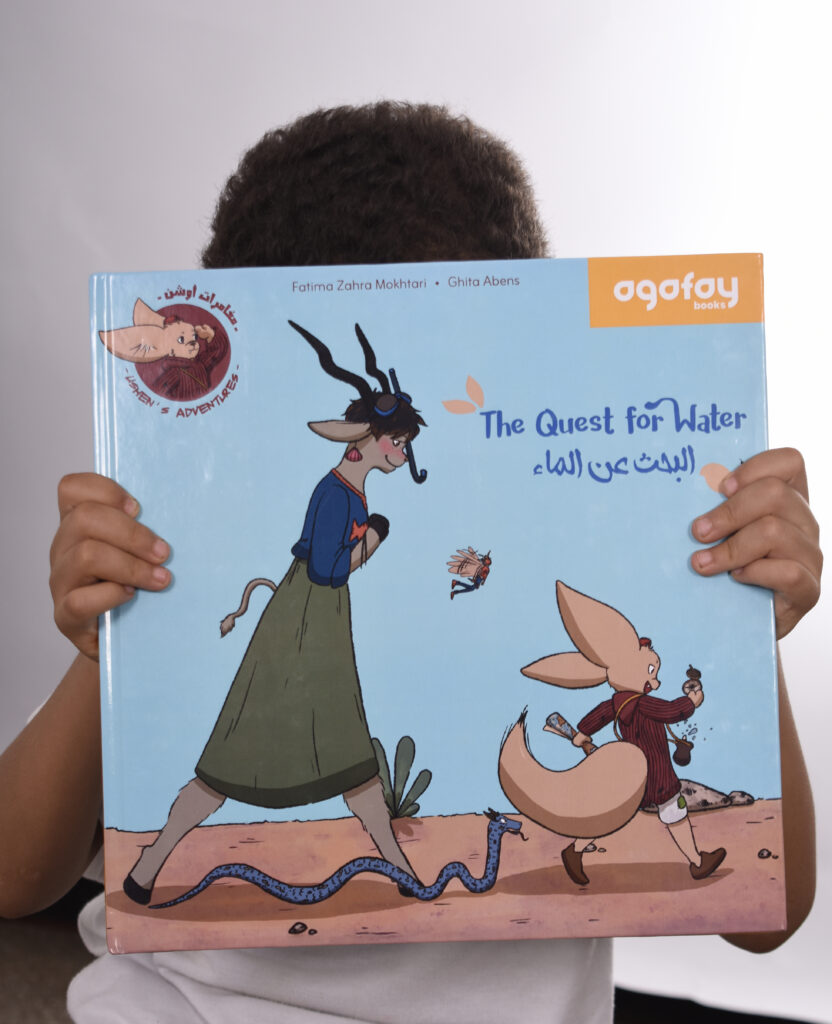
This ancient wisdom has been preserved in modern form in the book titled “Ushen’s Adventure in The Quest for Water.”
The book “Ushen’s Adventure – The Quest for Water” brings ancient folk tales to life in a contemporary format suitable for new generations. Through simplified language and attractive illustrations appropriate for both children and adults, it conveys traditional stories in a way that stimulates imagination, develops cultural awareness, expands vocabulary, and improves reading and writing skills. The book also instills important values in children such as courage, loyalty, and generosity.
“Ushen’s Adventure – The Quest for Water” exemplifies how reviving old stories keeps them a living part of our culture in modern form, especially in a digital age that demands content tailored to today’s children.